

Walk into a wellness clinic, athletic training center or even a hotel spa today and you may see something that once felt reserved for hospitals: IV bags quietly delivering fluids and nutrients. Intravenous therapy, commonly known as IV therapy, has moved beyond emergency rooms and into the world of preventive and performance-focused care.
What was once associated primarily with dehydration or acute illness is now being marketed for energy, immune support, recovery and even longevity. From busy executives to endurance athletes to patients navigating chronic stress, more people are exploring nutrient drips as part of a broader wellness strategy.
Why IV Therapy Now?
The surge in popularity is not accidental. Modern lifestyles are demanding. Long workdays, travel, disrupted sleep, environmental toxin exposure and processed diets all place strain on the body’s nutrient reserves. At the same time, consumers are increasingly interested in proactive health solutions that offer measurable results.
IV therapy appeals for a simple reason: efficiency. By delivering vitamins, minerals, amino acids and antioxidants directly into the bloodstream, IV therapy bypasses the digestive system. That direct delivery allows for rapid absorption and higher bioavailability compared with many oral supplements.
Clinics offering IV services often emphasize hydration, energy production, immune support and recovery. Popular formulations may include B vitamins for metabolism, vitamin C for immune function, magnesium for muscle and nervous system support, glutathione for antioxidant defense and NAD+ for cellular energy and mitochondrial health.
From Trend to Clinical Integration
The growth of IV therapy has also been fueled by more medically supervised models entering the space. Rather than a one-size-fits-all menu, some practices are incorporating lab testing, genetic analysis and metabolic screening to tailor nutrient protocols to individual needs.
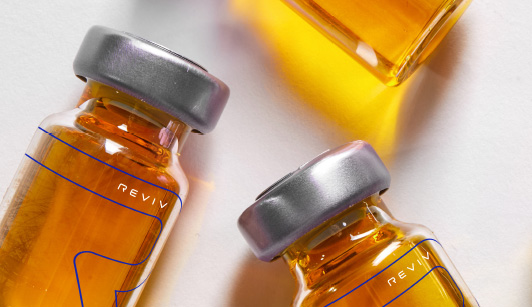
At Pinto Innovative Health & Wellness, Dr. Emilie Pinto says the decision to add REVIV IV therapies was rooted in both science and patient demand.
“We saw patients who were doing everything right but still felt depleted,” says Dr. Emilie Pinto. “Adding REVIV allowed us to deliver targeted nutrients efficiently, but more importantly, to integrate those therapies into a larger medical plan that includes testing, lifestyle guidance and long-term strategy. IV therapy is not a shortcut. It is a tool, and when used thoughtfully, it can make a meaningful difference.”
That distinction matters. In clinical settings, IV therapy is often positioned not as a replacement for healthy eating or medical care, but as a complementary intervention designed to support recovery, resilience and performance.
The Benefits Patients Are Reporting
Patients commonly report improved energy, faster recovery after illness or travel, better hydration and enhanced mental clarity. Athletes use IV therapy to support training and recovery cycles. Individuals under chronic stress may benefit from replenishment of nutrients depleted by cortisol-driven metabolic demands.
Emerging interest in therapies such as NAD+ reflects a broader fascination with cellular health and longevity. Research continues to explore how supporting mitochondrial function and antioxidant balance may influence aging and overall vitality.
A Balanced Perspective
As enthusiasm grows, so does the need for caution. IV therapy is a medical procedure. It involves inserting a cannula into a vein and delivering substances directly into circulation. While generally safe when administered by trained professionals, it is not without risk. Infection, vein irritation and adverse reactions are possible, particularly in non-medical settings.
Cost is another consideration. IV therapy can be more expensive than oral supplementation, and not all claims circulating on social media are backed by strong clinical evidence. Patients should be wary of exaggerated promises, particularly around “detox” language or miracle cures.
There is also an important conversation around necessity. For many healthy individuals with balanced diets and no absorption issues, oral supplementation and lifestyle changes may be sufficient. IV therapy should be considered within the context of a comprehensive health plan, not as a stand-alone fix.
The Bigger Picture
The rising popularity of IV therapy reflects a broader shift in healthcare. Patients are no longer waiting for illness to seek intervention. They are looking for ways to optimize, recover and support long-term vitality.
When administered responsibly and integrated into a thoughtful medical framework, IV therapy can offer a targeted way to replenish nutrients and support the body during times of increased demand. The key is personalization, transparency and medical oversight.
As with many modern wellness trends, the real power lies not in the drip itself, but in how and why it is used. In a culture hungry for energy and resilience, IV therapy may be less about hype and more about helping people feel supported in a demanding world.